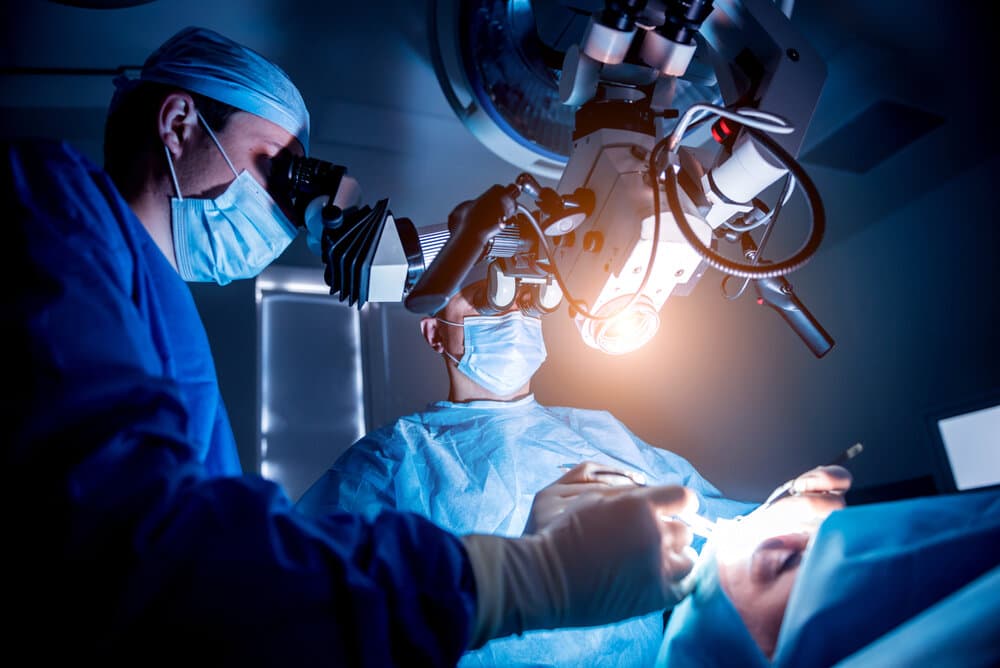
Brain Tumor Surgery
Surgery to remove a brain tumor, planned around taking out as much as possible while protecting the parts of the brain that control how you move, speak, and think.
What Is Brain Tumor Surgery?
A craniotomy for tumor resection is surgery to remove a brain tumor. The surgeon temporarily removes a section of the skull to reach the tumor, takes out as much of it as can be safely removed, and then replaces the bone and closes the incision. It is the most common operation used to treat brain tumors, and it serves two purposes at once: removing tumor and providing tissue that the pathology lab uses to confirm the exact diagnosis.
Surgery is done for several reasons. It can relieve pressure inside the skull, ease symptoms like headaches or seizures, and reduce the amount of tumor that radiation and medication later need to address. For many tumor types, how much tumor is removed at the first operation is linked to better long-term outcomes, which is why the operation is planned carefully rather than rushed.
The guiding idea is maximal safe resection. The goal is to remove as much of the tumor as possible without harming the areas of the brain that control speech, movement, vision, and memory. Where the tumor sits matters as much as how large it is. A tumor on the surface of the brain away from critical areas may be fully removable, while a tumor woven into or beside an essential region may be removed in part, with the balance struck deliberately to protect function.
Dr. Sherman performs brain tumor surgery at Rutgers Cancer Institute in New Brunswick, NJ, the only NCI-designated comprehensive cancer center in New Jersey. His surgical practice includes fluorescence-guided surgery, awake craniotomy with cortical mapping, laser interstitial thermal therapy, and stereotactic radiosurgery.
Call our office at 732-235-6333 or send us a message.
The information on this page is general educational information and is not medical advice. It does not create a doctor-patient relationship or reflect a treatment recommendation for any individual. Treatment decisions require an individual evaluation by a qualified physician.
Conditions Treated with Brain Tumor Surgery
Craniotomy for tumor resection is a core treatment across most of the brain tumor types Dr. Sherman treats. Each condition page covers symptoms, diagnosis, and the full range of treatment options.
- MeningiomaThe most common primary brain tumor in adults; complete removal of accessible tumors can provide long-term control.
- Low-Grade GliomaSlow-growing gliomas where the extent of removal shapes long-term outcomes.
- High-Grade GliomaAggressive gliomas where maximal safe resection is the first step of treatment.
- GlioblastomaThe most common malignant brain tumor; surgery reduces tumor burden before radiation and chemotherapy.
- EpendymomaA tumor of the ventricular system where complete removal is the strongest predictor of outcome.
- Brain MetastasesCancer that has spread to the brain; surgery treats larger or symptomatic lesions.
Using XR Technology To Advance Medical Care
Dr. Sherman integrates VR and AR visualization into surgical planning and patient education, giving patients a clearer picture of their diagnosis and the approach to treatment.
Common Questions About Brain Tumor Surgery
During a craniotomy for a brain tumor, the surgeon temporarily removes a small section of skull to reach the tumor, removes as much of it as can be safely taken out, then replaces the bone and closes the incision. Most procedures use general anesthesia and take about three to five hours. Tools like neuronavigation and, when needed, brain mapping help protect areas that control speech, movement, and other functions.
Newly Diagnosed or Seeking a Second Opinion?
Dr. Sherman is accepting new patients at Rutgers Cancer Institute in New Brunswick, New Jersey. Whether you are weighing surgery or looking for another perspective on a treatment plan, a consultation is the first step toward understanding your options.